CAR ELECTRICS AND SOFTWARE EXPLAINED
A modern car is as much computer as it is machine. Here is a plain-English guide to how car electrics and software work, and what to do when something goes wrong.
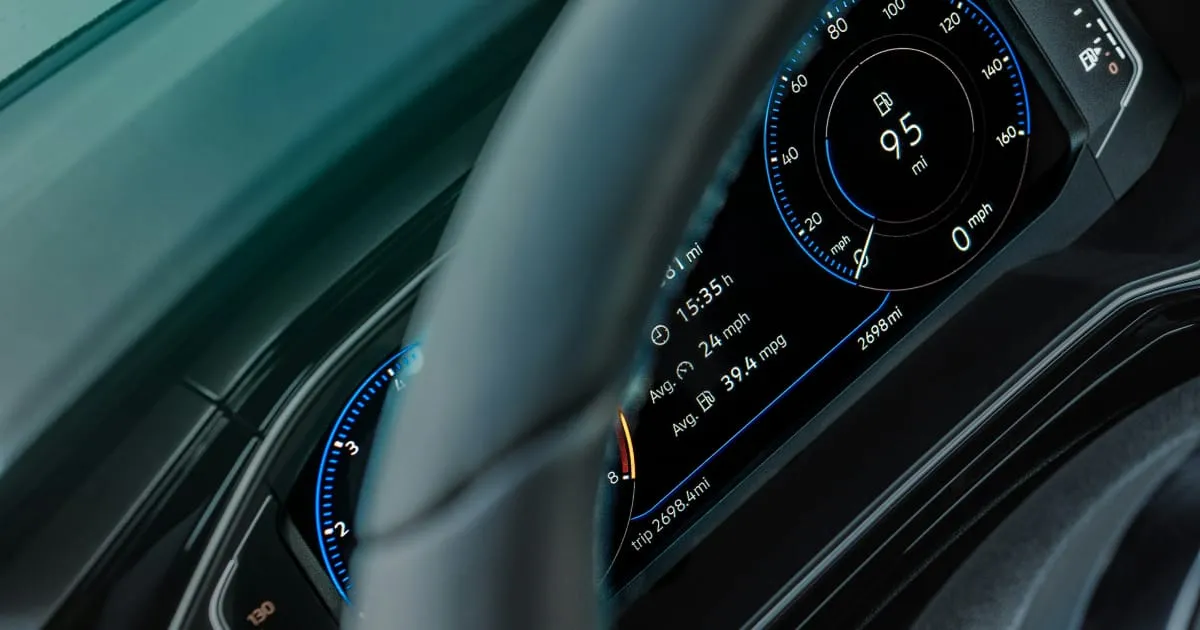
Today's cars run on dozens of small computers, sensors, and miles of wiring, all talking to each other constantly. It is what makes them safer, more efficient, and more comfortable than ever, but it also means faults can be harder to pin down. Understanding the basics helps you know when a problem needs professional attention.
HOW MODERN CAR ELECTRONICS WORK
At the heart of it are electronic control units, or ECUs: dedicated computers that manage everything from the engine and gearbox to the airbags, climate control, and infotainment. They share information over a network built into the car, so a single faulty sensor can trigger warnings across several systems at once. That interconnectedness is exactly why guessing at electrical faults so often leads to replacing parts that were never the problem.
COMMON ELECTRICAL AND SOFTWARE FAULTS
- Battery and charging issues: The most frequent cause of electrical gremlins. A weak battery or failing alternator can cause strange, intermittent faults across the car.
- Sensor failures: Modern cars rely on sensors for almost everything. A single failed sensor can put a warning light on and affect how the car runs.
- Infotainment and connectivity: Frozen screens, failed software updates, and Bluetooth or navigation glitches are increasingly common as systems grow more complex.
- Parking sensors and cameras: Faults here are often wiring or corrosion related, especially on older vehicles.
- Wiring and corrosion: Damaged, chafed, or corroded wiring causes some of the most stubborn faults to trace.
WARNING SIGNS WORTH ACTING ON
Flickering lights, electrical components working intermittently, a battery that keeps going flat, or warning lights that come and go are all worth investigating early. Electrical faults tend to get worse, not better, and a small issue caught now is far cheaper than the breakdown it can become.
WHY A DIAGNOSTIC SCAN MATTERS
When something electronic goes wrong, the car stores a fault code describing what it detected. A proper diagnostic scan reads these codes and, in skilled hands, points to the true root cause rather than just the symptom. This is where experience counts: a code might say one thing, but a good technician knows how to interpret it in context and test the system properly before replacing anything. It saves you money and gets the fault fixed first time.
KEEPING YOUR CAR'S SOFTWARE HEALTHY
Just like a phone or laptop, your car's software benefits from being kept up to date. Manufacturer updates can fix known bugs, improve performance, and resolve infotainment niggles. If your car is showing software-related quirks, it is worth having the latest updates checked and applied by a specialist.
FREQUENTLY ASKED QUESTIONS
Why do electrical faults in cars come and go?
Intermittent faults are often caused by loose connections, corrosion, or a weak battery. Because the fault is not constant, a diagnostic scan that reads stored fault codes is the reliable way to find it.
Can a car software problem be fixed without replacing parts?
Often, yes. Many issues are resolved with a software update or by correcting a fault rather than replacing hardware. A diagnostic check establishes which is needed first.
Is it safe to drive with an electrical warning light on?
It depends on the system affected. Some warnings are minor, others affect safety features such as airbags or braking assistance. If in doubt, have it checked promptly.
How much does a diagnostic check cost?
It varies with the complexity of the fault. Get in touch for a quote, and we will read the codes and explain what is going on before any work is agreed.